Cybersecurity in a Connected World: Challenges and Solutions for Protecting Personal and Corporate Data
Understanding Cybersecurity Challenges
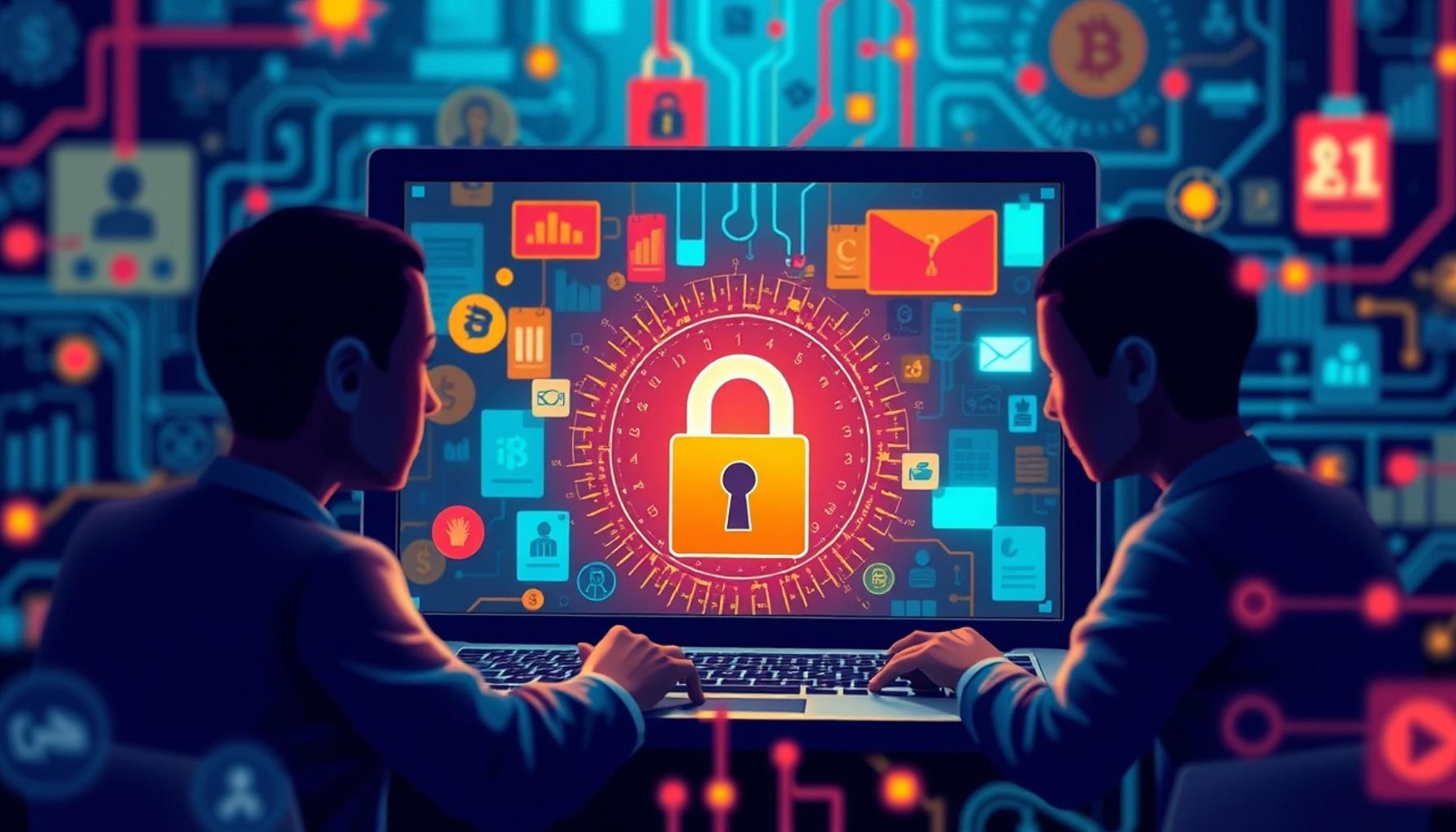
In our increasingly interconnected world, technology enables unparalleled convenience and communication. However, this digital progress also invites numerous risks, particularly in the realm of cybersecurity. As our reliance on digital devices and online platforms grows, so do the sophistication and frequency of cyber threats, which can severely impact both individuals and organizations. Understanding how to safeguard personal information and corporate data against these evolving threats is essential for securing a safe online experience.
Key Cybersecurity Challenges
There are several critical challenges in the cybersecurity landscape that pose significant risks. For instance, consider data breaches. These incidents occur when unauthorized individuals gain access to sensitive personal or corporate information. Depending on the context, the consequences can range from identity theft that affects individuals to severe financial losses and reputational damage for companies. An example of this is the 2017 Equifax breach, where personal information of 147 million individuals was exposed, leading to longstanding ramifications.
Another prevalent concern is phishing attacks. These fraudulent schemes often involve cybercriminals impersonating legitimate organizations, luring unsuspecting users into providing confidential data such as usernames, passwords, or credit card numbers. Victims may receive seemingly harmless emails claiming to be from their bank, asking them to verify their account details. Training to recognize these scams is crucial, as evidenced by the significant rise in reported phishing attempts during recent years, particularly during tax season.
Additionally, the threat of ransomware cannot be overlooked. This type of malicious software encrypts a user’s files or entire system, effectively locking them out until a ransom is paid to the attackers. Such incidents can cripple businesses and result in massive financial losses, as highlighted by the Colonial Pipeline attack in 2021, which forced the company to pay a ransom to regain access to its systems.
Effective Cybersecurity Solutions
While these challenges are daunting, there are effective solutions that individuals and businesses can implement to bolster their cybersecurity defenses. One of the most straightforward measures is regular software updates. Keeping software current ensures that vulnerabilities are patched, diminishing the chances for exploitation by cybercriminals. This includes operating systems, applications, and antivirus programs.
Employee training is another critical aspect of a robust cybersecurity strategy. Ensuring that employees are educated about best practices, such as recognizing phishing attempts and implementing secure password policies, is vital. Regular training sessions and simulations can empower staff to be vigilant, significantly reducing the risk of human error leading to a security breach.
Finally, employing multi-factor authentication offers an added security layer to online accounts. This approach requires not just a password, but also a secondary verification step, such as a code sent to a mobile device. This method makes it far more difficult for unauthorized users to access sensitive accounts, even if they manage to obtain a user’s password.
By acknowledging these challenges and putting effective solutions in place, both individuals and organizations can significantly strengthen their cybersecurity posture. Although the road to security may seem complex, taking informed, practical steps can lead to a much safer digital experience for everyone involved.
DISCOVER MORE: Click here to learn how to get clothes from Shein
Grasping the Nature of Cybersecurity Challenges
In our modern age, where technology intertwines with daily life, cybersecurity challenges are more pressing than ever. As we increasingly turn to the internet for both personal and professional tasks, the threat landscape continues to evolve. Cybercriminals exploit the complexities of a connected world, seeking opportunities to extract sensitive data and leverage it for nefarious purposes. To navigate this daunting environment, it is essential to comprehend the various challenges that individuals and corporations face in protecting their data.
Common Cybersecurity Threats
The digital threats that individuals and companies encounter can be categorized into several key types:
- Data Breaches: These incidents happen when information systems are compromised, granting unauthorized access to sensitive data. Major breaches, like the Facebook data leak, which impacted millions, serve to underline the severity of the issue, as personal information can be utilized for identity theft, fraud, and other malicious activities.
- Phishing Attacks: Phishing remains a prevalent form of cyber threat, characterized by deceptive emails or messages that appear to be from reputable sources. Attackers trick users into disclosing confidential information, such as login credentials or banking details. Reports indicate that nearly 1 in 4 Americans encounter a phishing attempt each year, amplifying the need for awareness and vigilance.
- Ransomware: Ransomware attacks are becoming increasingly common, demanding ransom payments in exchange for unlocking critical data. With attacks like the SolarWinds incident, which brought countless organizations to a standstill, the urgency to prepare for such a threat is undeniable. Companies risk not just financial loss but disruption to essential services and operations.
- Insider Threats: While external threats often capture the spotlight, insider threats can be just as damaging. These arise from individuals within an organization, whether due to negligence or malicious intent. Employees with access to sensitive information can unintentionally expose data or, worse, exploit it for personal gain.
Understanding these threats helps organizations and individuals prioritize their defenses. The proliferation of connected devices and the increasing adoption of cloud services further complicate the landscape, creating additional vectors for attacks. As we embrace new technologies, the attack surface broadens, necessitating heightened awareness and proactive measures to avert disasters.
Strategizing Effective Cybersecurity Solutions
Despite these challenges, there are practical solutions that can fortify defenses against cyber threats. To ensure a comprehensive cybersecurity strategy, consider implementing the following:
- Regular Software Updates: Keeping operating systems, applications, and antivirus software up to date is vital. These updates often include crucial security patches that address known vulnerabilities.
- Cybersecurity Awareness Training: Conducting training programs for employees helps them recognize phishing attempts and understand the importance of secure practices. A well-informed workforce is a significant deterrent against many threats.
- Implementing Strong Password Policies: Encouraging the use of complex passwords and regular updates can thwart unauthorized access. Password managers can also assist users in generating and managing secure credentials.
Establishing these foundational measures can significantly enhance an entity’s protection against evolving cyber threats. While the landscape of cybersecurity continues to shift, informed steps can empower both individuals and organizations to mitigate risks effectively and secure their valuable data.
DISCOVER MORE: Click here to dive deeper
Integrating Advanced Technologies for Enhanced Security
As the cyber threat landscape evolves, so too must our approaches to securing personal and corporate data. Embracing advanced technologies can provide a robust line of defense against increasingly sophisticated attacks. These technologies not only augment existing measures but also introduce innovative ways to safeguard sensitive information.
Artificial Intelligence and Machine Learning
Artificial Intelligence (AI) and Machine Learning (ML) have emerged as game-changers in the field of cybersecurity. By leveraging these technologies, organizations can analyze vast amounts of data to detect anomalies and potential threats that may go unnoticed by traditional security measures. For instance, ML algorithms can identify unusual patterns in user behavior, flagging activities that diverge from established norms. This proactive detection allows companies to respond swiftly, potentially preventing data breaches before they occur.
Moreover, AI can automate security processes, reducing the burden on IT teams. For example, AI-driven systems can handle routine security tasks, such as monitoring network traffic and identifying vulnerabilities, allowing cybersecurity professionals to focus on more complex issues that require human expertise.
Zero Trust Architecture
Another critical approach to strengthening cybersecurity is adopting a Zero Trust Architecture. This security model operates on the fundamental premise that no one—whether inside or outside the organization—should be trusted by default. By implementing a Zero Trust framework, companies enforce strict access controls and continuously validate user identity and device security at every stage of data access.
A practical application of Zero Trust could involve requiring multi-factor authentication (MFA) for all users, especially those accessing sensitive data remotely. MFA adds an extra layer of security, as it requires users to provide two or more verification factors—something they know (password), something they have (a mobile device), or something they are (biometric verification). This reduces the chances of unauthorized access significantly.
Incident Response and Recovery Planning
In the face of inevitable cyber threats, having a solid incident response strategy is paramount. An effective incident response plan outlines protocols for detecting, managing, and recovering from cybersecurity incidents. Regularly updating this plan ensures it remains effective against emerging threats.
Organizations should conduct training simulations to prepare their teams for real-life scenarios. For example, during a ransomware attack simulation, employees would practice identifying the attack, containing the breach, and communicating effectively with stakeholders. This preparation minimizes confusion and helps organizations respond swiftly to minimize damage should a real attack occur.
Collaboration and Information Sharing
An often-overlooked aspect of cybersecurity is the importance of collaboration and information sharing among businesses and industries. Establishing partnerships allows organizations to share threat intelligence, fostering a collective defense against cyber threats. In the United States, initiatives like the Cybersecurity Information Sharing Act (CISA) encourage companies to share information about threats and vulnerabilities with each other and the government. This collaborative approach empowers organizations to stay ahead of potential attackers by leveraging collective knowledge.
In summary, integrating advanced technologies, implementing robust frameworks, and establishing proactive strategies are essential for enhancing cybersecurity in a connected world. As both personal and corporate data become increasingly vulnerable, embracing these solutions can help create a resilient cybersecurity posture that effectively counters evolving threats.
DISCOVER MORE: Click here to learn how to get free clothing on Shein
Conclusion
In our increasingly interconnected world, the need for effective cybersecurity has never been more pressing. As we have explored, the challenges posed by cyber threats are significant and multifaceted, impacting both individuals and corporations alike. From data breaches to ransomware attacks, the consequences of lax security are dire, underscoring the importance of a proactive approach to safeguarding sensitive information.
The integration of advanced technologies like Artificial Intelligence and Machine Learning can revolutionize how organizations detect and respond to threats. Furthermore, adopting a Zero Trust Architecture ensures that access is not granted lightly, reducing the risks associated with unauthorized access. Training employees through practical incident response strategies prepares them to act swiftly in the face of real threats, thus minimizing damage and disruption.
Additionally, fostering a culture of collaboration and information sharing between organizations can enhance our collective defenses. By standing together and sharing intelligence on emerging threats, businesses and institutions can create a fortified front against cyber adversaries. As we navigate this complex landscape, it is crucial for all stakeholders—be they individuals, businesses, or government entities—to prioritize cybersecurity. This shared responsibility can build a more secure digital environment that protects personal and corporate data alike.
In conclusion, while the challenges of cybersecurity are daunting, the solutions available are robust and effective. By embracing innovative technologies and fostering a collaborative spirit, we can enhance our defenses and create a safer connected world for everyone.

Linda Carter
Linda Carter is a writer and expert known for producing clear, engaging, and easy-to-understand content. With solid experience guiding people in achieving their goals, she shares valuable insights and practical guidance. Her mission is to support readers in making informed choices and achieving significant progress.