Smart Cities: The Impact of Technology on Urban Mobility and Sustainability
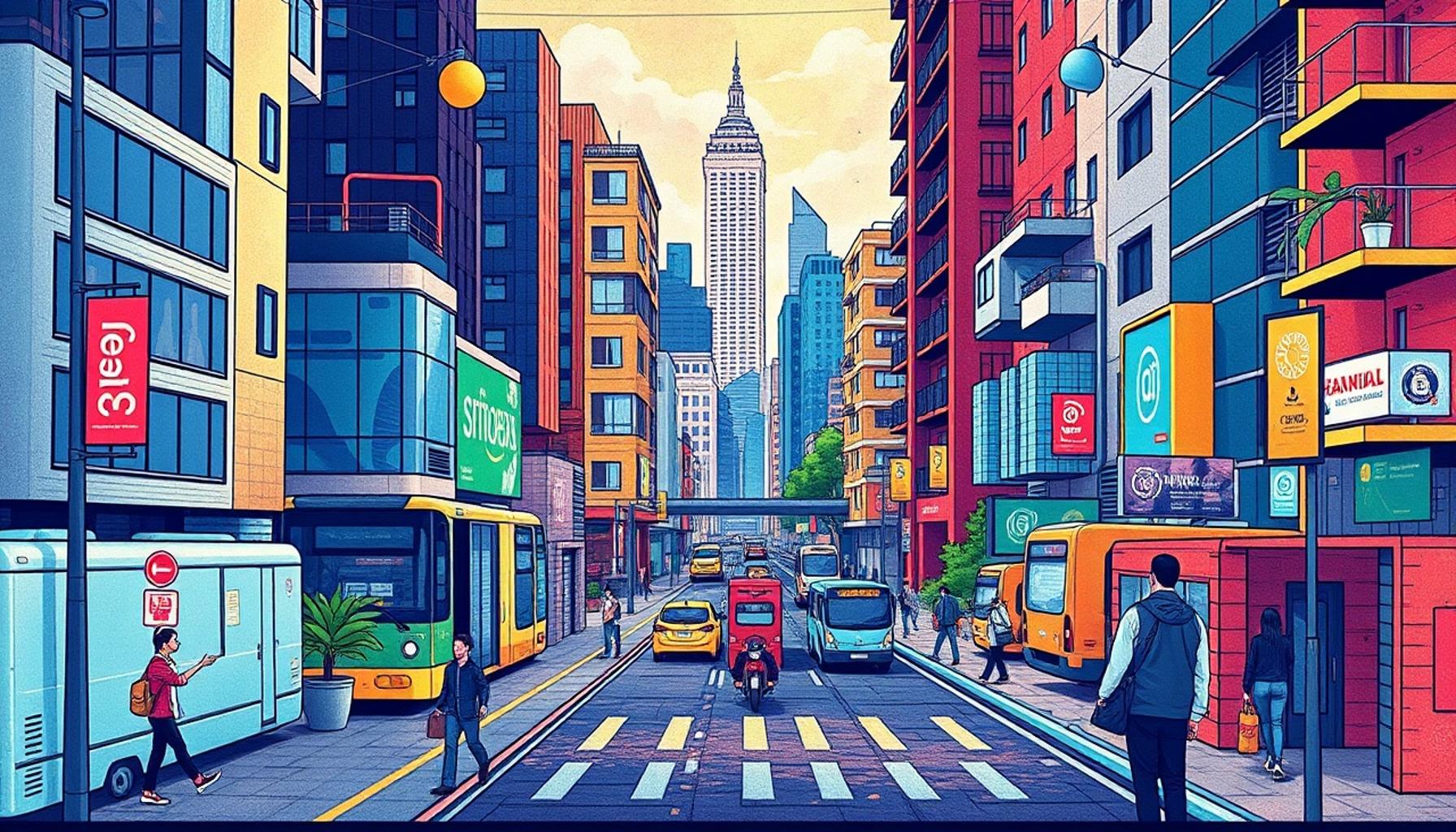
The Role of Technology in Urban Development
As urban areas continue to expand at an unprecedented rate, the necessity for innovative solutions to urban challenges becomes increasingly apparent. The emergence of smart cities is a testament to how technology can significantly improve the quality of life for urban residents. By leveraging digital innovations, these cities are creating interconnected systems designed to enhance both mobility and sustainability within their environments.
Key Features of Smart Cities
One of the critical components of smart cities is the implementation of intelligent transportation systems. These systems utilize real-time data to manage traffic flow, reducing congestion and improving safety. For example, cities like Los Angeles have adopted traffic signal systems that adjust in real-time based on traffic conditions, allowing for more efficient movement across the road network.
Public transportation enhancements are also a cornerstone of smart urban planning. Many cities are introducing electric buses and on-demand shuttle services that not only provide more efficient transportation options but also support efforts to decrease greenhouse gas emissions. For instance, Washington D.C. has implemented electric buses that offer a quieter and cleaner alternative to traditional diesel-powered vehicles.
Mobility-as-a-Service (MaaS) is another groundbreaking feature that aims to integrate various transport options — such as buses, trains, and ridesharing — into a single accessible platform. This holistic approach allows users to plan their journeys with much greater convenience, enabling them to select the most efficient options based on real-time data and personal preferences.
Paving the Way for Sustainability
The focus on sustainable infrastructure is crucial in smart city development. From green buildings that utilize energy-efficient designs to renewable energy sources like solar and wind power, these cities strive to reduce their environmental footprint. For example, New York City has integrated solar panels on public buildings, generating clean energy while conserving space.
The integration of technology extends to smart parking solutions. By providing drivers with real-time information on available parking spots, these systems help minimize traffic congestion related to searching for parking. Cities such as San Francisco have successfully implemented smart parking meters that adjust pricing based on demand, ensuring efficient space utilization.
Moreover, mobile applications play an essential role in facilitating user-friendly experiences in smart cities. Apps allow residents to plan their public transport journeys efficiently, providing real-time updates and alternative routes instantly. Another crucial aspect is data analytics, which enable city planners to make informed decisions. By analyzing real-world data, they can tailor solutions to meet the exact needs of the population, optimizing services for everyone.
Conclusion
As urban areas continue to grow, understanding the impact of these technological advancements is vital for building future-ready cities. Cities that embrace these smart innovations will not only enhance mobility but also ensure a more sustainable future for their residents. By investing in smart city technologies, cities across the United States can address the pressing challenges of urbanization while enhancing the overall quality of life for their citizens.
DON’T MISS OUT: Click here to discover more
Transforming Urban Mobility
Urban mobility is fundamentally shifting as cities embrace the concept of smart technology. This transformation is not only about adopting the latest gadgets but creating a cohesive ecosystem that focuses on efficiency, accessibility, and sustainability. With the rise of smart cities, the way we navigate through urban landscapes is being revolutionized.
Intelligent Transportation Systems at Work
At the heart of this transformation is the deployment of intelligent transportation systems (ITS). These technologies fulfill multiple roles, combining traffic management, safety measures, and user engagement through data collection and analysis. Utilizing sensors, cameras, and GPS technologies, ITS help cities manage road-related challenges by providing real-time data to both city planners and commuters. This has led to:
- Reduced Traffic Congestion: Traffic signal systems in cities like Chicago dynamically adjust to traffic patterns, allowing smoother flow and reducing wait times at intersections.
- Enhanced Safety: Smart systems can detect accidents or hazardous conditions and convey that information instantly to drivers and emergency services, making urban travel safer.
- Efficient Resource Allocation: By monitoring traffic and public transport usage, cities can better allocate resources, ensuring that busy routes are reinforced with adequate service.
Pushing the Boundaries of Public Transportation
Smart cities are also reimagining public transportation to create systems that are not only efficient but also environmentally friendly. The introduction of autonomous vehicles and electric buses is paving the way for a cleaner public transport landscape. For instance, cities like Seattle are rolling out autonomous shuttles that navigate predefined routes, enhancing accessibility for residents while simultaneously reducing emissions.
Moreover, traditional public transport systems have started integrating advanced technologies to improve user experience. Many cities now offer features such as:
- Real-time Tracking: Mobile applications allow riders to track buses or trains in real-time, eliminating uncertainty about arrival times.
- Contactless Payments: Digital payment options streamline the boarding process, making it faster and more convenient.
- Integrated Multi-modal Transfers: Comprehensive app systems combine various transport modes, enabling passengers to seamlessly transition between personal vehicles, public transport, and rideshares.
Addressing Environmental Challenges
As urban centers focus on mitigating the negative impacts of rapid urbanization, sustainability emerges as a central theme in smart city initiatives. The integration of technology promotes not just faster transit, but also greener living. For instance, cities are increasingly incorporating sustainable transport solutions, such as:
- Bicycle-sharing Programs: These initiatives encourage cycling and reduce reliance on motor vehicles, effectively contributing to lower carbon emissions.
- Electric Vehicle Charging Stations: Smart cities are expanding their charging infrastructure, making electric vehicles a more practical choice for residents.
- Car-free Zones: By designating certain areas as pedestrian-only, cities improve air quality and promote healthier lifestyles among their citizens.
Through thoughtful integration of technology in urban mobility and sustainable practices, smart cities are working diligently to address the inherent challenges of modern urban centers. As these efforts continue, the positive impacts on urban life will become increasingly evident, paving the way for resilient and vibrant communities.
DISCOVER MORE: Click here to find out how
Integrating Smart Solutions for Sustainable Living
The concept of smart cities extends beyond just transportation; it embodies an all-encompassing approach to urban life that champions sustainability through the use of advanced technologies. While urban mobility may often dominate discussions around smart city initiatives, other facets also come into play, including energy management, waste reduction, and community engagement. By integrating smart solutions into these areas, cities not only enhance their operational efficiency but also promote eco-friendly practices.
Energy Efficiency Initiatives
One of the key components of sustainable urban living is the management of energy resources. Smart grids are revolutionizing how cities consume and distribute energy. With real-time data collection and predictive analytics, cities can optimize energy usage, reduce waste, and lower utility costs for residents. For example, cities like San Diego are implementing smart lighting systems that adjust based on real-time usage—dimming when foot traffic is low and brightening during peak hours. As a result, these cities reduce energy consumption while maintaining safety and accessibility.
Additionally, cities are turning to renewable energy sources to further their sustainability goals. By deploying solar panels on municipal buildings, leveraging wind energy, and investing in energy storage solutions, smart cities can decrease their reliance on fossil fuels. This transition not only reduces greenhouse gas emissions but also fosters energy independence, making communities more resilient to economic fluctuations.
Smart Waste Management
Effective waste management is another significant area where technology showcases its capabilities. Smart waste solutions utilize IoT sensors in waste bins to monitor fill levels, enabling more efficient collection schedules. Cities like Barcelona have adopted this technology, resulting in reduced collection costs and fewer emissions produced by waste collection trucks. Furthermore, this data-driven approach allows for the introduction of recycling programs tailored to the specific needs of neighborhoods, promoting sustainable practices among residents.
- Community Engagement: Smart bins can also inform citizens about what can and cannot be recycled, helping to raise awareness about sustainability and encouraging participation in recycling initiatives.
- Composting Initiatives: Cities are introducing compost bins in neighborhoods, utilizing smart technology for monitoring and educational purposes, creating a circular economy in urban environments.
Civic Technology and Citizen Participation
In a smart city framework, public engagement is a cornerstone of sustainability efforts. Civic technology platforms provide residents with avenues for feedback and involvement in decision-making processes. For example, cities like Austin have implemented online tools that allow residents to report infrastructure issues directly to city officials, thereby improving urban services like street maintenance or lighting concerns.
Moreover, gamification is increasingly employed to encourage sustainable habits among citizens. Initiatives that reward residents for using public transport, reducing energy consumption, or participating in community clean-up events can foster a sense of shared responsibility. By leveraging apps that track and incentivize sustainable behaviors, cities create a more engaged and environmentally conscious populace.
The combination of energy efficiency, smart waste management, and civic engagement contributes to the overarching goal of smart cities: creating a more sustainable, livable environment for all residents. As technology continues to evolve, the potential for cities to implement innovative solutions will further enhance urban life, connecting communities in meaningful ways.
DISCOVER MORE: Click here for insights on data visualization
Conclusion: A Vision for the Future of Urban Living
In summary, the evolution of smart cities represents a dynamic intersection of technology, sustainability, and community engagement. As urban populations continue to grow, cities are faced with the challenge of improving urban mobility while minimizing their ecological footprint. Implementing smart solutions—ranging from energy-efficient infrastructures to innovative waste management systems—provides a roadmap for cities to meet these challenges head-on.
Technologies such as smart grids and IoT-enabled waste management not only streamline operations but also empower citizens to actively participate in creating a more sustainable environment. By encouraging practices like recycling and energy conservation, cities foster a culture of awareness and responsibility among their residents. Moreover, civic technology opens avenues for public engagement, ensuring that communities have a voice in the development of their urban landscape.
Looking ahead, the potential for smart cities to adapt and evolve with technological advancements is vast. Embracing renewable energy sources, enhancing public transportation networks, and leveraging data analytics to inform decision-making can transform urban life. However, achieving these goals hinges on collaboration among stakeholders—governments, businesses, and citizens—all working together towards a common vision.
Ultimately, the dream of smart cities is not merely about technology, but rather about enhancing the quality of life for all residents, ensuring that urban environments are not just smart, but also equitable, sustainable, and vibrant. As we move forward, it’s clear that the journey towards smarter cities will pave the way for a more resilient and cohesive future.

Linda Carter
Linda Carter is a writer and expert known for producing clear, engaging, and easy-to-understand content. With solid experience guiding people in achieving their goals, she shares valuable insights and practical guidance. Her mission is to support readers in making informed choices and achieving significant progress.