The impact of social media on American politics: how algorithms shape public opinion in elections
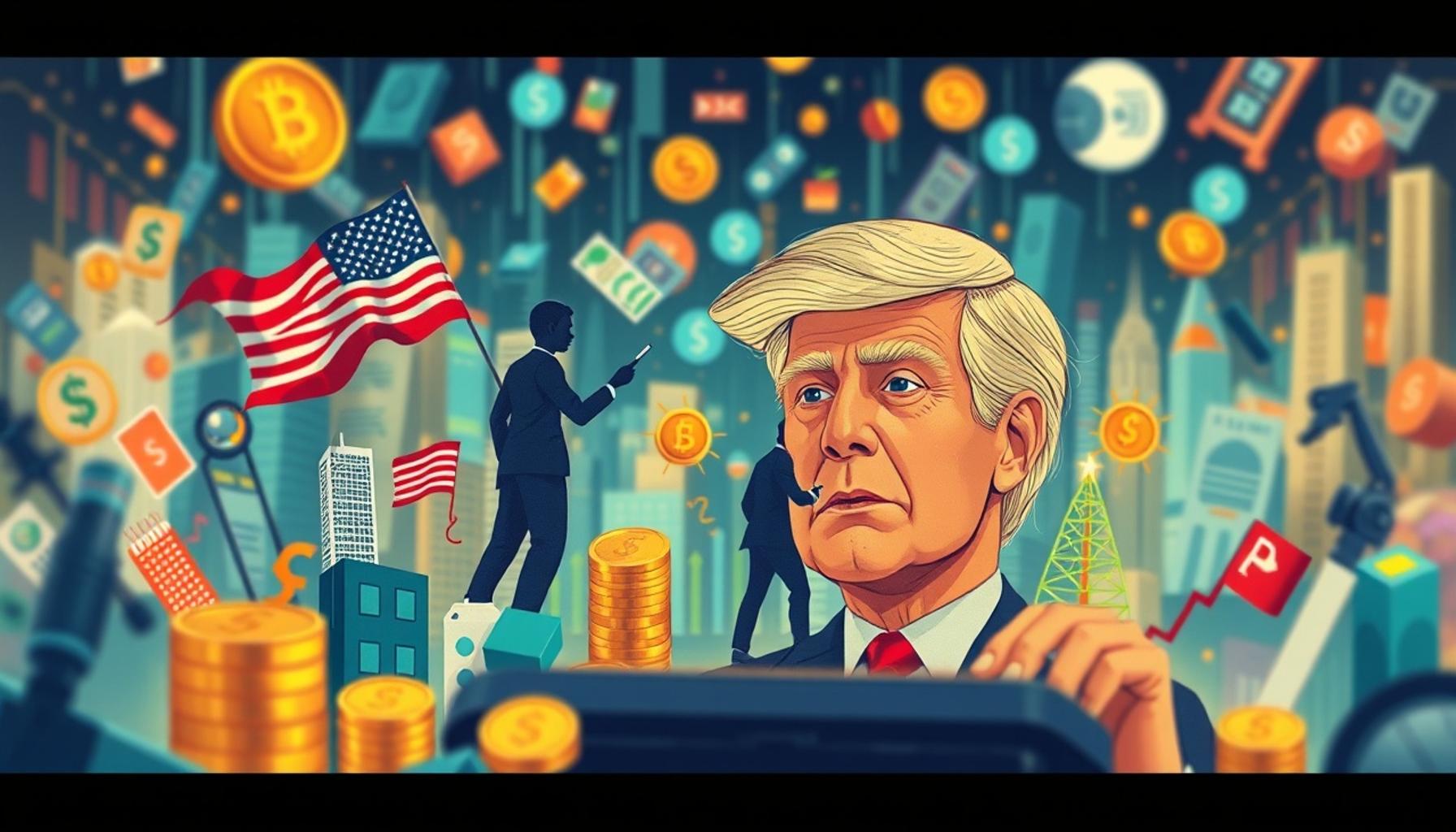
The Role of Social Media in American Politics
In recent years, social media has emerged as an essential tool for political engagement and discourse in the United States. With platforms like Facebook, Twitter, and Instagram amassing millions of users who actively share opinions, news, and personal experiences, these networks have reshaped how information flows and how public opinion is formed. This transformation in communication not only influences individual beliefs but also plays a significant role in broader political events, including elections.
Understanding Algorithms
At the heart of social media’s influence on politics lies the concept of algorithms. These algorithms are sophisticated set of rules that platforms use to curate and display content based on user interactions. Essentially, they decide what information users see, creating a personalized feed for each individual. This can have profound effects on how people perceive political issues, candidates, and events.
Information Filtering
One primary function of these algorithms is information filtering. When users consistently engage with specific types of content—be it liberal, conservative, or anything in between—algorithms take note and prioritize such posts in their feeds. For instance, if a user frequently likes and shares posts about climate change activism from a progressive viewpoint, they are likely to see more content that reflects that perspective. This creates a personalized news experience but can lead to a narrow understanding of complex issues.
Echo Chambers
Out of this process, we see the formation of echo chambers. Social media allows individuals with similar beliefs to connect and interact, further entrenching their views. For example, during election seasons, supporters of a candidate might form online groups where they discuss strategies and share information that reinforces their beliefs. Such environments can isolate users from opposing viewpoints, making it challenging to engage in meaningful discussions across the political spectrum.
Virality of Misinformation
Another critical issue related to social media algorithms is the virality of misinformation. False information can spread like wildfire through shares, retweets, and likes, often outrunning the truth. A notable example occurred during the 2016 presidential election when misleading stories circulated widely on social media, impacting voter perceptions and behaviors. The algorithms, designed to amplify engagement, inadvertently promoted such misinformation by prioritizing sensational content over accuracy. This can lead to confusion among voters and contribute to a highly polarized political climate.
Implications for Democracy
The ramifications of these algorithms extend beyond personal opinion; they can influence electoral outcomes. Understanding how social media operates is essential for voters, candidates, and political operatives. By recognizing the mechanisms of filtering, the dangers of echo chambers, and the spread of misinformation, individuals can become more critical consumers of online content. This awareness fosters a healthier democracy, encouraging informed and thoughtful political engagement.
In the following sections, we will explore specific case studies and examples of how social media algorithms have shaped public opinion during key elections and discuss potential solutions for mitigating their negative effects.
DIVE DEEPER: Click here to discover more
How Algorithms Influence Public Discourse
To grasp the impact of social media on American politics, it is essential to delve deeper into how algorithms not only filter information but also significantly shape public discourse. These algorithms do more than create personalized experiences; they also influence the kinds of conversations that take place around key political issues. As users interact with content, social media platforms gather data to tailor their feeds, which can lead to unintended consequences in shaping public opinion.
The Role of Engagement Metrics
One important aspect of social media algorithms is the reliance on engagement metrics. Platforms prioritize content that garners high levels of interaction—likes, shares, comments—regardless of the content’s factual accuracy. As a result, content that stirs emotions, whether positive or negative, is more likely to be widely circulated. This means that posts that provoke strong reactions, such as outrage or excitement, tend to dominate users’ feeds.
This phenomenon leads to a situation where polarizing content is amplified, creating a lopsided view of political matters. For instance, during contentious election cycles, rallying cries can swiftly go viral, overshadowing moderate perspectives. To illustrate, consider the following potential engagement triggers:
- Emotional Appeals: Content that evokes strong feelings, like anger or joy, can create a sense of urgency and lead to increased sharing.
- Controversial Statements: Polarizing opinions often spark debates, leading to a surge in comments and discussions.
- Visual Content: Eye-catching images or videos are more likely to be shared, further propagating the underlying messages they contain.
Normalizing Polarization
As algorithms promote content that fosters engagement, they inadvertently contribute to the normalization of polarization. Users become accustomed to seeing only the views that mirror their beliefs, which can distort their perception of reality. It becomes increasingly challenging to discern where the majority opinion lies when platforms continuously present a skewed narrative. In this polarized environment, political discussions may become reduced to echoing existing sentiments rather than fostering healthy debates rooted in facts and diverse perspectives.
Case Study: The 2020 Presidential Election
The effects of algorithm-driven content curation were evident during the 2020 presidential election. Social media platforms witnessed an explosive growth in political content, as candidates leveraged these algorithms to reach targeted demographics. While this allowed for tailored campaigning, it also led to significant issues, such as misinformation regarding voting processes and candidate positions. For example, misleading posts about mail-in voting circulated widely, leading to confusion and doubt among voters.
As the role of social media continues to evolve in the political landscape, understanding the implications of algorithms becomes increasingly crucial for all participants in the democratic process. Only by recognizing how these mechanisms operate can individuals approach online political discourse with a critical eye, ultimately contributing to a more informed electorate. In the next sections, we will examine specific case studies demonstrating these impacts, along with recommendations for mitigating the challenges posed by social media algorithms.
DIVE DEEPER: Click here to learn more
The Consequences of Algorithmic Control
While the benefits of social media in facilitating political engagement cannot be overlooked, the consequences of algorithmic control are far-reaching and often detrimental to the democratic process. By framing the way information is consumed, algorithms can contribute to disenfranchisement, misinformation, and decreased voter turnout among various demographic groups.
Disenfranchisement and Exclusion
Algorithms are designed to optimize user engagement; however, they often exclude voices from marginalized groups. This exclusion comes not only from the dark corners of the internet but also from mainstream platforms. When social media prioritizes content that caters to popular sentiment, it can drown out less mainstream perspectives. For example, voices from minority communities, grassroots activists, and even independent candidates may struggle to gain visibility. Their posts can be overshadowed by more sensational content, leading to a skewed representation of public opinion.
This systemic exclusion can have a tangible impact on political outcomes. If certain groups feel their needs are not represented or heard within digital discussions, they may become disillusioned with the political process and choose not to participate in elections. Therefore, the very structure that sustains public discourse can inadvertently marginalize significant segments of society.
Misinformation and Its Ramifications
The spread of misinformation during elections presents another critical challenge. Algorithms amplify sensational, misleading posts because they drive engagement, regardless of their truthfulness. Research has shown that false news spreads faster and reaches more people than accurate information. A vivid instance occurred during the 2016 presidential election, where fabricated stories circulated widely, influencing voter sentiment and behavior.
Further compounding the issue, misinformation can lead to a misinformed electorate. For example, misleading posts about candidates’ stances or voter registration processes can steer individuals away from making informed decisions. This trend can erode public trust in electoral institutions and the media, challenging the foundation of democratic systems.
The Impact on Voter Turnout
A critical area of concern is how algorithms shape voter turnout, particularly in light of their capacity to create echo chambers. When users are continuously bombarded with content that merely reflects their pre-existing beliefs, they may feel a sense of complacency, leading to lower levels of engagement. Instead of being motivated to participate in elections, the immersive experience of social media can breed apathy. Users may believe that their voting efforts will not impact the outcomes or that their voices are already represented online.
Data from various studies indicates significant disparities in voter turnout associated with social media platforms. Younger voters, who are often most active online, utilize social networks differently than older demographics. If the algorithms fail to prioritize genuinely informative and motivating content, important voting messages may not reach those who need them most, ultimately resulting in fewer participants at the polls.
As social media becomes an increasingly powerful tool in American politics, recognizing these algorithmic impacts is essential. By understanding the dangers of polarization, misinformation, and disenfranchisement, voters, policymakers, and platform companies can work collaboratively to create a more equitable public discourse and ensure a healthier democratic process. In the following sections, we will explore strategies for combating misinformation and enhancing the role of social media as a tool for constructive political engagement.
DISCOVER MORE: Click here to delve into how Shein predicts fashion trends
Conclusion
The impact of social media on American politics is profound, with algorithms playing a central role in shaping public opinion and influencing the electorate during elections. As we have explored, the ability of social media platforms to curate and present information creates both opportunities and challenges for democratic engagement. While these platforms can enhance political participation and facilitate the exchange of ideas, they also have the potential to entrench misinformation, disenfranchise specific groups, and create echo chambers that discourage voter turnout.
It is essential for voters, leaders, and social media companies to recognize and address the implications of algorithmic control. Understanding the mechanics behind content prioritization can help individuals discern credible information from misleading narratives. Furthermore, policymakers must advocate for transparency and accountability within social media platforms to ensure they become tools for meaningful political discourse rather than avenues for division and disinformation.
In the ongoing evolution of our electoral landscape, a collaborative effort is critical. By promoting equitable representation, combating false information, and fostering active participation, we can work toward a political environment where all voices are heard and valued. Ultimately, safeguarding the integrity of our democratic process necessitates vigilance and engagement from all sectors of society, ensuring that the power of social media is harnessed for the greater good. As we look ahead, it is clear that fostering a healthy democracy requires an informed and active electorate, equipped to navigate the complexities of the digital age.

Linda Carter
Linda Carter is a writer and expert known for producing clear, engaging, and easy-to-understand content. With solid experience guiding people in achieving their goals, she shares valuable insights and practical guidance. Her mission is to support readers in making informed choices and achieving significant progress.