The Influence of Global Supply Chains on Shein’s Market Adaptation
The Evolution of Consumer Engagement in Fashion
The rise of Shein, a fast-fashion powerhouse, has dramatically reshaped the way consumers interact with fashion. Unlike traditional retailers, Shein employs an innovative business model that heavily exploits global supply chains. This strategy empowers the company to respond rapidly to evolving market demands, a feat that has made it a dominant player in the industry.
Unmatched Speed and Production Agility
One of Shein’s most compelling attributes is its remarkable speed. The brand has perfected the process of bringing trendy apparel from sketch to shelf in a matter of weeks, a time frame that conventional retailers often find hard to match. For instance, while traditional fashion houses may plan their collections up to a year in advance, Shein can capitalize on fleeting trends identified via social media and influencers. This swift production cycle allows Shein to deliver new products to consumers while demand is Peak, maximizing revenue opportunities.
Strategic Flexibility in Production
Another vital characteristic of Shein’s success lies in its flexibility. By utilizing a global sourcing strategy, the company can adjust its manufacturing locations based on factors such as cost and efficiency. For example, during spikes in demand or disruptions due to economic fluctuations, Shein can quickly relocate production to countries with lower costs or less regulatory burden. This adaptability enables Shein to keep pace with the fast-moving fashion landscape, often ahead of its competitors who may be hindered by a more rigid supply chain.
Effective Cost Management
Shein’s financial acumen significantly contributes to its market penetration through astute cost management. The company benefits from a diversified supplier base, which allows it to negotiate better prices and maintain lower costs. This competitive pricing strategy makes it possible for Shein to offer trendy clothing at remarkably affordable rates, appealing particularly to cost-conscious consumers in the United States, where price sensitivity plays a significant role in purchasing decisions. For example, a chic dress that may retail for $60 at traditional retailers can often be found for $20 on Shein’s platform.
Market Adaptation and Consumer Behavior Insights
This unique operational model not only enhances market adaptation strategies but also cultivates a sense of urgency among Shein’s competitors. By harnessing extensive data analytics on consumer behavior and preferences, Shein can adeptly forecast and meet the demands of its target market. The brand’s ability to tap into the latest styles and trends—often pilfered from social media platforms like Instagram and TikTok—ensures that it remains a significant contender in the fast-paced fashion arena.
As the global supply chain landscape continues to transform, understanding how Shein’s operational tactics influence its success becomes paramount. This exploration unveils deeper insights into the intricate connections between global logistics and the fluid dynamics of fashion retail. Observing Shein’s impressive rise provides a fascinating framework for analyzing not just the future of fashion but also the evolving expectations of consumers worldwide.
DON’T MISS: Click here to dive deeper
The Mechanics Behind Shein’s Supply Chain Mastery
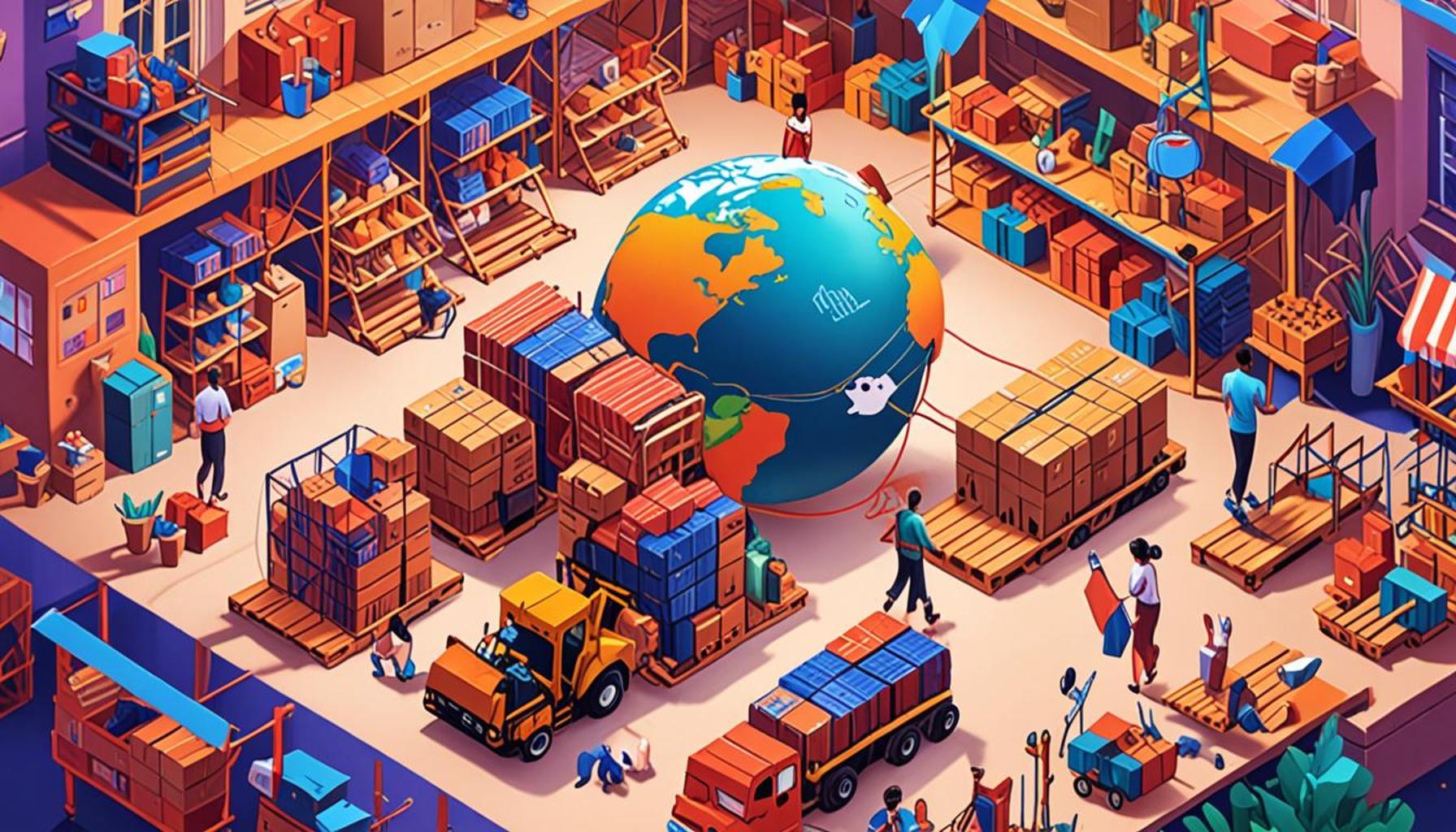
At the heart of Shein’s market adaptation lies a meticulous design of its global supply chain, which serves as the backbone that fuels its fast-paced operations. This intricate network is not merely about sourcing materials or manufacturing garments; it involves a sophisticated understanding of how different components of the supply chain can be maneuvered to respond swiftly to the whims of consumer demand. As global trade continues to evolve, Shein’s capability to master these mechanics is increasingly relevant in the fashion industry.
Leveraging Data for Supply Chain Efficiency
One of the most significant advantages that Shein holds over traditional retailers is its ability to leverage extensive data analytics. By analyzing consumer behavior, purchase patterns, and prevailing fashion trends, Shein efficiently aligns its supply chain operations with market realities. The incorporation of artificial intelligence in inventory management helps the brand anticipate demands and optimize stock levels, thus reducing waste. This proactive approach not only facilitates lower operational costs but also ensures that consumers find the products they desire readily available.
Localized Production and Distribution
Shein excels in its strategy of localized production, which refers to the practice of setting up manufacturing closer to the end consumer. By developing numerous small factories in various regions, the brand can have shorter production runs with quicker turnarounds. This localization not only minimizes shipping times but also allows Shein to adapt features of its garments based on regional trends, thereby catering to style preferences unique to different markets. For example, while California consumers may favor lightweight fabrics and bright colors, a collection targeted at consumers in New York might showcase more layered outfits suitable for varying weather conditions.
Global Partnerships and Supplier Relationships
In a world where supply chain disruptions can arise from geopolitical factors or unforeseen events, Shein has managed to cultivate strong partnerships with suppliers across the globe. This strategic approach results in a diversified supplier base that provides resilience against localized crises. Notably, effective communication and collaboration with these partners allow Shein to maintain an agile supply chain equipped to pivot quickly when challenges arise. Factors that contribute to Shein’s effective partnerships include:
- Competitive Pricing: Shein capitalizes on the ability to negotiate favorable terms that keep operational costs low.
- Quality Control: By establishing clear quality standards, Shein ensures each production aligns with its brand image.
- Scalability: Partnering with various suppliers gives Shein the flexibility needed to scale production based on demand fluctuations.
Through such strategic management of global supply chains, Shein has positioned itself as a directive force in adapting to market changes effortlessly. As consumers become more demanding in their expectations in terms of variety, speed, and cost, Shein’s operational adaptability rooted in its global supply framework makes the brand a prime example of navigating the complexities of the modern fashion landscape.
The Influence of Global Supply Chains on Shein’s Market Adaptation
Shein’s ability to adapt rapidly to changing fashion trends is a significant advantage attributed to its finely-tuned global supply chain. By leveraging an extensive network of suppliers and manufacturers worldwide, Shein can efficiently manage production cycles and respond to consumer demands almost in real-time. This agility not only enhances their competitive edge but also aligns with the fast-fashion model that defines their brand. The synchronized interplay between procurement, production, and distribution allows Shein to introduce thousands of new styles each week, keeping their offerings fresh and appealing to a dynamic consumer base.
Moreover, the company’s data-driven approach further enhances its adaptability. Shein utilizes advanced analytics to monitor customer preferences and purchasing behavior across various regions. Such insights enable them to tailor their product lines to specific markets, ensuring higher engagement and satisfaction rates. For instance, if a particular style garners attention in Europe, Shein can rapidly scale production and adjust marketing strategies to capitalize on the trend.
The integration of cutting-edge technology into the supply chain also contributes to reduced lead times and cost efficiencies. As Shein continuously refines its logistical operations, it minimizes overhead costs and can offer competitive pricing to consumers. This strategic pricing model, alongside frequent promotional campaigns, creates an enticing shopping experience that drives higher volumes of sales. Such practices reinforce the notion that a robust global supply chain is not merely a support function, but a core strategy that significantly influences Shein’s market adaptation.
| Advantages of Global Supply Chains | Key Features |
|---|---|
| Agility | Quick response to changing fashion trends and consumer demands. |
| Localized Products | Tailored product lines based on regional market insights. |
In the context of Shein’s operations, it becomes evident that the global supply chain acts as a backbone to its innovative and flexible business model. This ability to adapt not only enables them to thrive in an ever-changing marketplace but also shapes the future of retail dynamics in the fashion industry.
DIVE DEEPER: Click here to uncover more insights
Adapting to Consumer Trends through Supply Chain Innovation
In an era where consumer preferences are as fluid as the trends they chase, Shein understands that its ability to adapt goes beyond mere logistics; it hinges on innovation within its global supply chain. As the fast fashion landscape becomes increasingly competitive, innovative strategies allow Shein to maintain its edge by aligning with the rapidly changing demands of its clientele.
Nimbleness in Design and Production
One remarkable aspect of Shein’s supply chain is its rapid design-to-production cycle. Traditionally, fashion brands operate on a seasonal calendar, revealing new collections at fixed intervals. In stark contrast, Shein operates on a model that prioritizes real-time design, leveraging trends as they emerge. By utilizing trend forecasting tools in synergy with social media insights, Shein can identify rising styles almost instantaneously. This acceleration means that a design conceived this week could reach consumers in stores just a few weeks later, a timeframe most traditional retailers cannot match.
Responsive Market Strategies
Understanding the need for a responsive market approach, Shein employs a method termed test-and-repeat. By launching smaller batches of select designs, the company is able to gauge consumer interest without overcommitting resources. If a piece garners attention, Shein can swiftly produce additional stock tailored to the preferences indicated by sales and online engagement metrics. This strategy not only mitigates risks associated with overproducing but allows the brand to zero in on what their customers genuinely desire.
Enhanced Sustainability Efforts
As consumers increasingly demand sustainability from their favorite brands, Shein strives to adapt its supply chain practices to meet these criteria. Awareness of the environmental impact of fast fashion has prompted Shein to introduce eco-friendly materials and sustainable production processes. The company has also initiated programs that emphasize recycling and reselling garments to prolong their lifecycle. By doing so, Shein not only enhances its appeal to the eco-conscious audience, but also reinforces its adaptability in a market that is progressively valuing transparency and responsibility.
Digital Supply Chain Integration
Technology plays an indispensable role in Shein’s supply chain operations. Their investment in digital integration technologies such as Internet of Things (IoT) and blockchain has enabled the brand to streamline logistics and enhance traceability. By monitoring every step of the supply chain through digital platforms, Shein can ensure resource efficiency and minimize delays due to unforeseen factors. This level of monitoring furthers Shein’s commitment to transparency, an important factor for consumers today, who increasingly wish to know the origins of their clothing.
Market-Specific Strategies Through Demand Forecasting
Further connecting supply chain management to market adaptation, Shein employs sophisticated demand forecasting algorithms tailored to specific regions. By analyzing demographic trends, climate variations, and cultural preferences, the brand can produce clothing that resonates with consumers in diverse geographical locations. For instance, a vibrant tropical collection may cater to markets in Florida, while more subdued, earthy tones may be favored in the Pacific Northwest. This hyper-localized approach exemplifies how Shein not only adapts to international market trends but deeply understands regional market sentiments.
In cultivating a robust, adaptable global supply chain, Shein reshapes the conventional dynamics of fashion retailing. Its strategic emphasis on speed, efficiency, and responsiveness not only positions it favorably within the industry but also ensures that it remains in tune with the ever-evolving desires of modern consumers.
DISCOVER MORE: Click here to dive deeper
Conclusion: Shaping the Future of Fast Fashion through Supply Chain Mastery
The intricate web of global supply chains is profoundly reshaping the landscape of the fast fashion industry, and Shein stands at the forefront of this transformative era. By harnessing innovative methodologies in design, production, and logistics, Shein not only differentiates itself from traditional retailers but redefines consumer expectations. Their ability to pivot quickly through a rapid design-to-production cycle allows them to react to trends almost in real-time, satisfying the insatiable appetite of fashion-conscious consumers.
Moreover, Shein’s commitment to sustainability and ethical practices is an exemplar of how a brand can adapt to contemporary consumer values. The integration of eco-friendly materials and transparent production processes is not just a marketing ploy; it reflects a genuine effort to meet the demands of a more conscious audience. As consumers increasingly seek brands that align with their values, Shein’s adaptive strategies serve to enhance its market presence significantly.
Furthermore, the application of advanced demand forecasting and digital technologies positions Shein to anticipate regional variations and tailor offerings accordingly. This agile methodology ensures that the brand remains relevant across diverse markets while minimizing waste—a critical consideration in an industry often criticized for its environmental impact.
As global supply chains evolve, Shein’s innovative adaptations exemplify how fast fashion can leverage these networks to anticipate and respond to the unpredictable nature of consumer behavior. The successful melding of technology, sustainability, and consumer engagement in Shein’s supply chain strategy offers valuable insights into the future of retail. As we observe this dynamic play out, the implications for other players in the industry become increasingly clear: adaptability, responsiveness, and responsibility will be the cornerstones of success in the fast fashion marketplace.
Related posts:
The Influence of Artificial Intelligence on the Evolution of E-commerce: The Role of Shein
The Role of Artificial Intelligence in the Evolution of the Fashion Market: The Shein Case
The Role of Personalization in the Shopping Experience: How Shein is Shaping the Future of E-commerc...
Shein and the Evolution of Marketing Strategies: The Impact of Social Media
Sustainability and Innovation: Challenges and Opportunities for Shein in the Transformation of the F...
The Rise of Shein: How Digital Innovation Transformed the Fashion Retail
