The Role of Fast Fashion in Shaping Consumer Identity: A Case Study of Shein
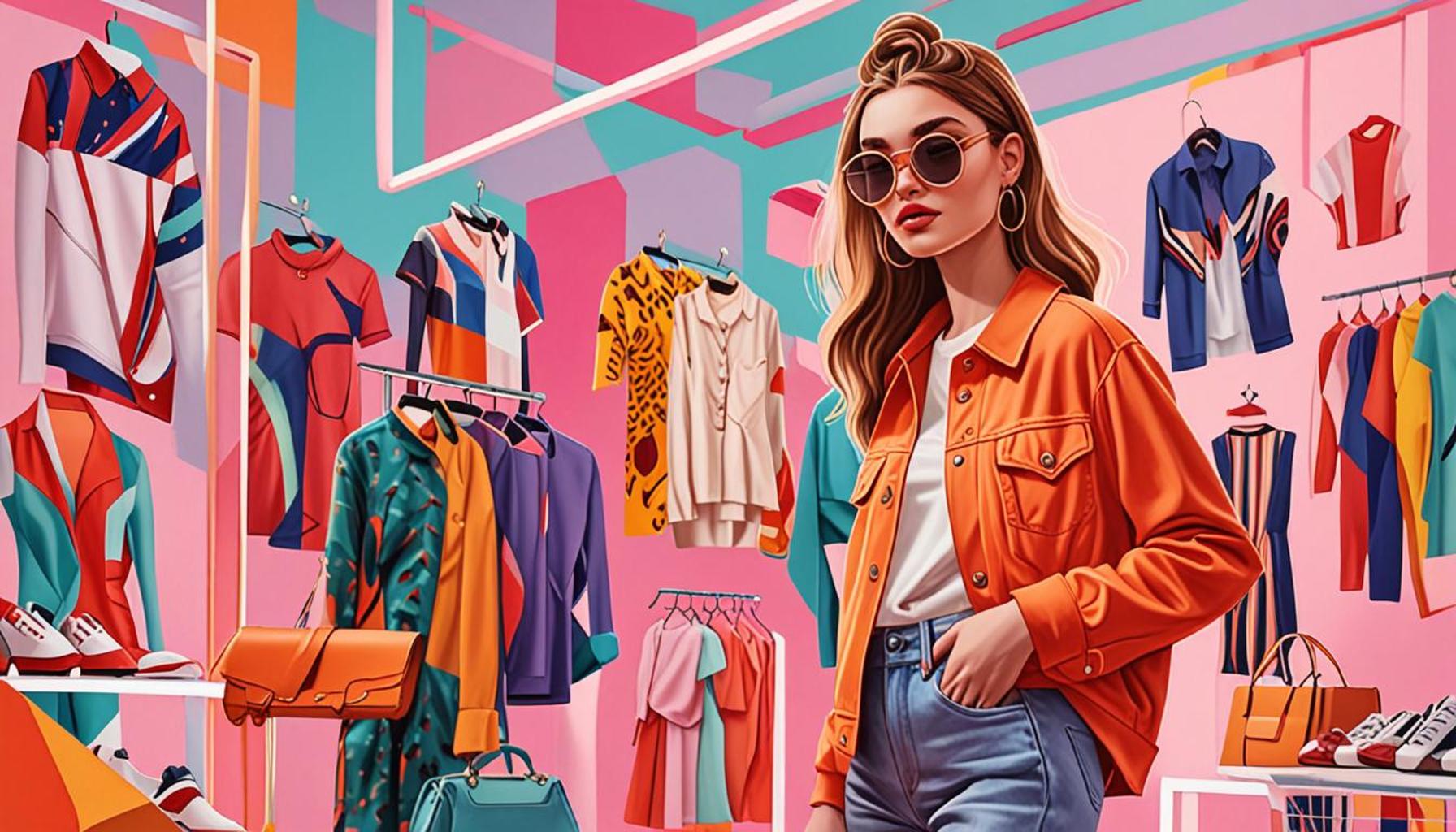
Understanding Fast Fashion
Fast fashion, characterized by its rapid production and delivery of trendy apparel, has become a cornerstone of contemporary retail, fundamentally altering consumer habits and identities. Shein, a prominent player in this realm, epitomizes the relentless pace at which fashion is now churned out. The company’s business model thrives on the idea that fashion must be not only affordable but also accessible, leading to a significant shift in public perception and consumer behavior.
Economic Impact of Fast Fashion
One of the defining features of fast fashion is its affordability. Shein offers a wide array of styles at prices that appeal to budget-conscious shoppers, ensuring that fashion is no longer a privilege limited to the affluent. For instance, where traditional retailers might price a trendy dress at $100, Shein may offer similar designs for as little as $20. This pricing strategy allows consumers to update their wardrobes with the latest trends without breaking the bank.
The accessibility of brands like Shein further fuels this phenomenon. Online shopping has transformed from a simple convenience into a full-scale experience, available 24/7. With just a few clicks, consumers can browse thousands of items, add them to their carts, and have them shipped directly to their doorsteps. Such ease of access also encourages impulsive buying—shoppers might feel inclined to purchase items they wouldn’t have considered in a physical store setting.
Additionally, the sheer variety offered by fast fashion retailers is staggering. Shein, for example, frequently updates its inventory with new styles, creating a sense of urgency and encouraging consumers to make frequent purchases. This cycle of rapid turnover leaves consumers feeling as though they can never wear the same outfit twice, crafting an environment where constantly updating one’s wardrobe becomes not just normal but expected.
Psychological Influences on Consumer Identity
Beyond economic factors, fast fashion significantly impacts consumer identity through psychological dynamics. The role of social media influence cannot be understated. Platforms such as Instagram and TikTok are rife with influencers who showcase the latest trends, effectively weaving fashion consumption into the fabric of daily life. As users scroll through curated feeds filled with aspirational lifestyles, they are subtly pressured to align their wardrobe choices with the latest fads.
Moreover, self-expression plays a crucial role. Clothing is often utilized as a means of identity formation. Consumers, especially younger generations, are increasingly drawn to fast fashion as a way to express their individuality or to signal their affiliation with particular social groups. For many, clothing becomes a language through which they communicate their values and beliefs.
Finally, the concept of brand loyalty is markedly distinct in the fast fashion arena. Through targeted advertising and marketing strategies, brands like Shein foster a sense of community among their consumers. Exclusive promotions, influencer partnerships, and social media engagement create an attachment that transcends mere purchasing, cultivating an identity linked to the brand itself.
Overall, a closer examination of Shein reveals the intricate dynamics at play in the fast fashion industry. As we explore the ramifications of these trends, it becomes clear that fast fashion is more than just a retail revolution; it is a powerful force shaping our societal fabric and influencing how we view ourselves in a rapidly changing world.
DISCOVER MORE: Click here to learn about the impact of fast fashion
The Impact of Fast Fashion on Lifestyle Choices
Fast fashion doesn’t just redefine shopping habits; it also influences the broader lifestyle choices of consumers. The rise of brands like Shein has not only transformed the retail landscape but also altered how individuals curate their personal images. As consumers navigate their identities in a visually-driven society, the styles they choose often signify more than mere aesthetic preferences—they relay messages about belonging, aspiration, and social status.
Social comparison plays a persistent role in shaping these identities. With the constant exposure to an array of fashion choices online, individuals often find themselves competing with their peers or influencers, leading to a cycle of consumption that seems never-ending. The phenomenon is particularly pronounced among younger consumers. A survey conducted by the American Apparel & Footwear Association revealed that nearly 60% of millennials and Gen Z individuals feel pressured to keep up with fashion trends portrayed on social media. This competitive urge to remain relevant fuels the fast fashion ecosystem.
The Influence of Trend Cycles
The rapidly changing trend cycles instigated by fast fashion brands like Shein further complicate consumer identity. Designers and brands frequently release new items based on viral trends, setting off a chain reaction where consumers feel compelled to stay ahead. Shein, known for its ability to quickly interpret and produce trending styles—from the latest TikTok fashion to the resurgence of vintage aesthetics—enables this swiftly evolving dynamic. As a result, consumers often experience a sense of urgency, continually refreshing their wardrobes to maintain an image that reflects the latest trends.
This leads to the question of sustainability. While fast fashion provides access to trendy attire, it often does so at the expense of environmental considerations. The disposable nature of all these cheap garments not only raises ethical concerns but also challenges consumers to reconsider the longevity of their style choices. Many are starting to grapple with the implications of their buying habits, questioning whether the pursuit of perpetual novelty is worth the environmental cost.
Consumer Behavior and Identity Formation
The intersection of fashion and identity is further entrenched in consumer behavior. As individuals select clothing that resonates with their self-image, they unknowingly participate in a broader cultural narrative. Here are a few of the psychological phenomena observed in fast fashion consumption:
- Conformity: A desire to fit in can drive individuals to adopt the same styles as their peers, reinforcing group identity.
- Diversification: Alternatively, consumers may use fashion to distinguish themselves, curating looks that emphasize uniqueness to stand out from the crowd.
- Collective Identity: Fast fashion can serve as a means of forming connections, where shared clothing choices act as visual symbols of belonging to certain subcultures or social groups.
This complex web of consumer identity shaped by fast fashion calls for a deeper examination of how brands like Shein manipulate aspirations and desires through targeted marketing and peer influence. As consumers navigate these dynamics, the line between personal style and marketed trends becomes increasingly blurred, leading to profound implications for both their individual identities and the broader societal landscape.
The Impact of Fast Fashion on Consumer Behavior
The rise of fast fashion has fundamentally transformed the landscape of consumer identity, with brands like Shein at the forefront. Fast fashion prioritizes rapid production and low costs, encouraging shoppers to purchase more, often at the expense of quality and sustainability. This model caters to a culture of immediacy, where individuals feel pressure to stay trendy and reflect their identities through their clothing choices. Shein, a dominant player in the fast fashion market, exemplifies how these dynamics play out. The brand utilizes data-driven strategies to tap into consumer preferences, pushing styles that resonate with the youth. This creates an illusion of variety, where consumers believe they are part of an exclusive club by wearing the latest designs. Each item purchased is a statement of self-expression, aligning personal identity with current trends, a phenomenon further fueled by social media platforms.Moreover, the affordability of Shein encourages shoppers to adopt a disposable mindset, where clothing is often seen as short-term, leading to a cycle of constant consumption. This behavior not only reinforces a transient identity but also shifts societal values around ownership and fashion. The need for constant updating reflects a deeper existential quest for belonging and representation.In essence, the fast fashion model, with Shein as a case study, provides critical insights into how consumer identity is constructed, changing the way individuals relate to fashion, status, and ultimately, themselves. Understanding these dynamics is essential for comprehending the broader implications of fast fashion in today’s cultural landscape.
DISCOVER MORE: Click here to learn about the effects of promotions and discounts
The Psychology of Fast Fashion Consumption
Fast fashion brands like Shein have integrated themselves not only into the retail market but into the very psychology of consumers. The dynamics of choice and identity underpin the allure of these brands, creating an environment where shoppers can connect their self-worth with their fashion selections. The notion of instant gratification plays a crucial role; consumers enjoy the thrill of acquiring new items rapidly, enhancing their sense of social relevance. This behavior mimics a modern-day treasure hunt, where every new arrival signifies a potential new identity to explore.
Moreover, the emotional connection to fashion choices can be profound. Data from the American Psychological Association illustrates that clothing can heavily influence self-esteem, with studies indicating that what individuals wear can affect their mood and social confidence. Fast fashion thrives on this emotional investment, utilizing marketing strategies that emphasize feelings of happiness and confidence associated with new clothing. Shein, for instance, often collaborates with social media influencers who showcase their latest finds, further bridging the gap between personal emotions and fashion consumption.
The Role of Social Media and Peer Influence
Social media platforms, particularly Instagram and TikTok, have become fertile ground for fast fashion marketing, allowing brands like Shein to cultivate a community that thrives on shared visual experiences. Users are encouraged to post images of their latest outfits, sparking widespread peer influence that drives others to adopt the same styles. This creates a viral effect, where certain trends can explode overnight, leaving consumers scrambling to replicate looks that are often ephemeral in nature.
In the context of identity formation, these online interactions become critical. The desire for validation through likes, shares, and comments can push consumers toward specific brands and styles, fostering a cycle of dependence on social media for fashion cues. Research shows that nearly 65% of young consumers admit to purchasing items specifically because they saw them on social media. As consumers curate their feeds, they participate in a visual storytelling of their identities, often prioritizing trendy aesthetics defined by fast fashion.
The Ethical Dilemmas of Fast Fashion
Despite its engaging exterior, fast fashion raises significant ethical concerns that challenge consumer identities. The environmental impact of companies like Shein cannot be overlooked, with reports indicating that the fast fashion industry accounts for more than 10% of global carbon emissions. As awareness of these issues grows, many consumers now feel a dual identity crisis: balancing the desire for trendy clothing with a budding responsibility toward sustainable practices. This shift is evident in the rise of second-hand shopping apps and sustainable fashion brands, which appeal to those wishing to redefine their fashion choices without compromising their values.
In light of these transformations, consumers are increasingly seeking ways to express their style that align with their ethical beliefs. The rebellion against fast fashion has birthed a growing movement of conscious consumerism, where shoppers prioritize sustainability and quality over quantity. This trend indicates a significant shift in consumer identity, moving from rapid repetition in fashion to thoughtful selection that reflects personal values.
As the complexities of identity formation continue to evolve within the fast fashion landscape, brands like Shein walk a precarious line—balancing the allure of immediacy and the burgeoning demand for ethical practices. The future of consumer identity in fashion is sure to explore these tensions further, creating a captivating narrative for both brands and their customers.
DISCOVER MORE: Click here to dive deeper
Conclusion: Navigating the Future of Consumer Identity and Fast Fashion
The case study of Shein exemplifies the intricate web fast fashion weaves around consumer identity in today’s society. From the instant gratification that comes with swift purchasing to the emotional attachment consumers develop towards their clothing choices, the effects of brands like Shein are profound and multifaceted. A significant element of contemporary identity is dictated not only by personal expressions of style but also by community validation via social media platforms, where trends can shift in an instant, reflecting a culture built on peer influence.
However, this whirlwind of rapid consumption raises critical ethical dilemmas that are increasingly coming to the forefront. The environmental ramifications of fast fashion are undeniable, as the industry continues to significantly burden the planet. As consumer awareness grows, many may find themselves at a crossroads, grappling with the need for trendy attire alongside the urgency of adopting more sustainable practices. This internal conflict is steering a new wave of conscious consumerism, where individuals seek to align their fashion choices with their ethical values, moving towards a model that prioritizes quality over quantity.
In conclusion, the role of fast fashion in shaping consumer identity is a dynamic and evolving narrative, ripe for continued exploration. The balancing act between desirability and responsibility will shape the future of brands like Shein and their customers alike. As consumers become more informed, the intersection of identity, ethics, and style promises to redefine the fashion landscape, inviting all stakeholders to rethink their place within it. The coming years will likely see a further evolution in how brands interact with their consumers, facilitating a dialogue that champions both individuality and sustainability.
Related posts:
Maximize Savings How to Use Shein Coupon Codes Discounts Effectively
How Product Customization Affects Consumer Behavior at Shein
How User Reviews and Ratings Influence Buying Behavior on Shein
The Impact of Promotions and Discounts on Shein Consumers' Purchases
The Evolution of Shein Consumer Behavior During the Pandemic
The Influence of Social Media on the Purchase Decisions of Shein Consumers
