How Logistics Process Automation is Transforming Shein’s Supply Chain
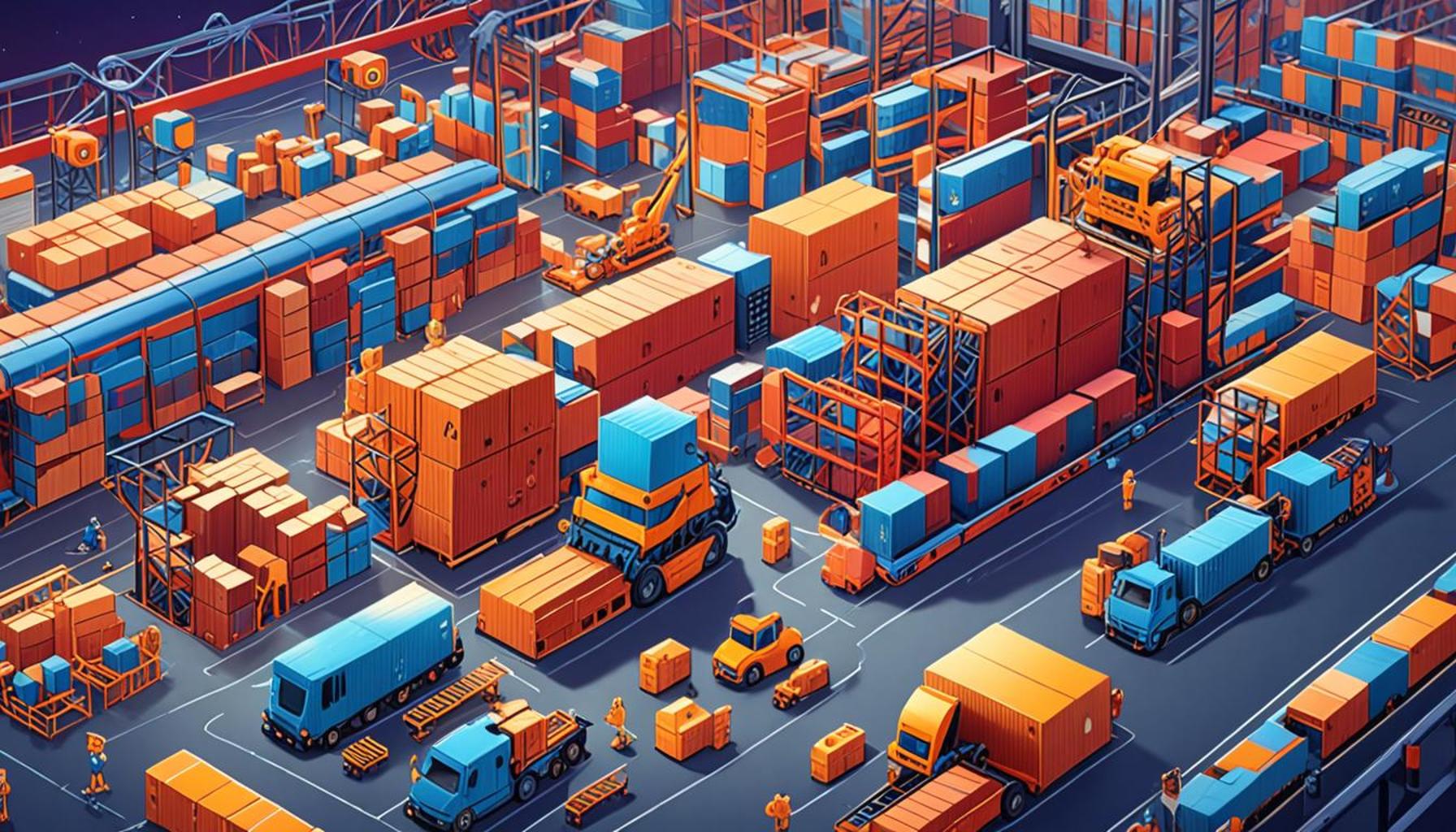
Understanding Shein’s Logistics Revolution
The rise of online shopping has led to a significant shift in the fashion retail industry, with Shein emerging as a standout leader in this new landscape. The company’s innovative strategies have introduced a new paradigm in retail, driven largely by logistics process automation. This strategic direction is not just a response to the changing market conditions but a proactive step towards perfecting operational efficiency. As we explore this transformation, it becomes crucial to grasp its broader implications for the supply chain and consumer satisfaction.
One of the most pronounced benefits of logistics automation is its ability to achieve increased efficiency. Through the elimination of manual processes, Shein has drastically reduced human error and optimized workflows. For instance, by implementing automated sorting systems in its warehouses, Shein can expedite the process of order fulfillment, ensuring customers receive their products faster than traditional methods would allow.
Moreover, real-time tracking capabilities have revolutionized how companies like Shein manage their inventory and shipments. By utilizing advanced technologies such as RFID chips, Shein can provide customers with precise updates on their orders, leading to enhanced transparency and trust. This level of visibility enables the company to make informed decisions regarding stock levels and shipping routes, optimizing the entire supply chain.
In addition to operational advantages, automation also brings about cost reduction. The implementation of automated systems allows Shein to cut down on labor costs while streamlining processes that were once time-consuming. This means that the savings can be redirected towards offering competitive pricing, a crucial factor in attracting and retaining customers in a crowded market.
Shein’s commitment to leveraging advanced technologies like artificial intelligence and machine learning further enhances its supply chain agility. Through predictive analytics, the brand can anticipate consumer trends, adjust inventory levels accordingly, and ultimately reduce lead times significantly. This is particularly evident during peak shopping seasons—for example, during Black Friday or Cyber Monday—when demand surges dramatically.
Embracing Sustainability and Compliance
An often-overlooked aspect of logistics automation is its potential to support sustainable practices. As consumers become increasingly environmentally conscious, brands are tasked with minimizing their carbon footprint. Shein’s automated systems facilitate better inventory management, which leads to reduced waste from unsold goods. Furthermore, enhanced logistics efficiency helps the brand comply with strict environmental regulations, ensuring that its operations align with contemporary sustainability goals.
As we progress through this discussion, we will further explore the specific innovations and strategies that Shein has adopted. By doing so, we highlight how logistics process automation is not merely a passing trend but a fundamental aspect of modern supply chain management that benefits businesses and consumers alike. Understanding these nuances can open doors to new insights for those interested in the future of fashion retail.
DISCOVER MORE: Click here to learn about data analytics in fashion
Transforming Operations Through Advanced Technologies
To fully appreciate the impact of logistics process automation on Shein’s supply chain, it is essential to delve into the specifics of the technology that drives these changes. At the core of Shein’s operations is a suite of automated tools designed to enhance efficiency and reduce lead times. This shift has not been a mere upgrade; it marks a fundamental transformation in how the brand operates, allowing for unprecedented scalability and responsiveness to consumer demand.
One of the most significant innovations employed by Shein is the use of robotics in warehousing. Automated drones and robotic arms work alongside human staff to sort, pack, and ship orders with incredible speed. This efficiency leads to quicker turnaround times—transforming the traditional retail wait times into a streamlined operation where orders can often be processed within hours of purchase. The consequence? A happier customer base that appreciates the speed of service.
Additionally, the integration of warehouse management systems (WMS) powered by artificial intelligence has further bolstered Shein’s logistics capabilities. These systems analyze data in real-time to optimize inventory management, ensuring that products are where they need to be when they need to be there. This predictive capability helps in avoiding stockouts and reducing excess inventory, directly impacting the bottom line.
- Enhanced Inventory Visibility: Automated systems provide granular insights into stock levels, aligning supply with demand efficiently.
- Improved Order Accuracy: Robotics significantly reduce the chances of human error, leading to a higher level of customer satisfaction.
- Agility in Supply Chain Decisions: With machine learning algorithms analyzing trends, Shein can swiftly adapt to changes in consumer behavior.
Furthermore, the advent of cloud-based logistics platforms allows Shein to centralize its supply chain management, offering flexibility and adaptability. This unified approach enables better communication across departments, facilitating the smooth exchange of information necessary to meet consumer expectations effectively. As a result, Shein can pivot in response to fast-evolving fashion trends or global supply chain disruptions, such as those caused by the pandemic.
It’s also crucial to consider the data analytics aspect of logistics process automation in Shein’s supply chain. By utilizing big data, Shein gains insights into purchasing patterns and consumer preferences. This knowledge is essential as it informs both production decisions and marketing strategies, ensuring that Shein remains ahead of its competitors. For instance, if a particular design gains traction on social media, Shein’s automated systems can quickly adjust production to meet anticipated demand, mitigating any risks associated with overstocking.
As we explore further, it becomes evident that Shein’s logistics process automation transcends mere operational efficiency. It embodies a holistic approach to supply chain management—one that balances speed, accuracy, and consumer engagement while embracing sustainability. The next sections will unpack additional dimensions of Shein’s innovations, revealing how logistics process automation is not just reshaping the company’s supply chain, but also setting new standards for the fashion industry at large.
| Automation Advantage | Impact on Supply Chain |
|---|---|
| Operational Efficiency | By implementing automation, Shein has streamlined processes, significantly reducing the time required to fulfill orders. |
| Real-Time Data Tracking | Enhanced visibility into inventory and logistics allows for more informed decision-making, resulting in better stock management. |
| Cost Reduction | Automation minimizes manual labor and errors, effectively lowering operational costs over time. |
| Scalability | As Shein grows, automated systems can easily scale to handle increased volume without compromising speed or accuracy. |
Moreover, logistics process automation has not only transformed Shein’s operational approaches but has also redefined customer engagement. Automated systems enable quicker response times and adaptive supply chain structures that cater to ever-changing consumer preferences. With advanced algorithms predicting trends, Shein can align its inventory to meet market demands proactively. This transformation not only enhances efficiency but also boosts brand loyalty by ensuring that customers receive the products they want, when they want them. Embracing technology not just in logistics, but within the entire supply chain allows Shein to maintain a competitive advantage in the fast-paced fashion industry. By unifying logistics and automated processes, Shein is setting the bar high for efficiency and responsiveness in supply chain management, making it an intriguing case study for others in the sector to explore.
DISCOVER MORE: Click here to learn about the influence of social media on Shein’s customers</p
Enhancing Customer Experience and Sustainability Through Innovation
As Shein continues to embrace logistics process automation, the implications reach far beyond operational efficiency, transforming the customer’s shopping experience and the company’s commitment to sustainability. The integration of smart logistics technology offers a seamless and personalized shopping journey, which has become increasingly vital in an era where consumers seek both speed and satisfaction. This experience starts well before the customer hits ‘checkout’; it involves predictive analytics and tailored marketing strategies that optimize each step of the buying process, reinforcing Shein’s position as a leader in online retail.
One remarkable advancement is the deployment of augmented reality (AR) tools, which allow customers to visualize how clothing fits and looks from the comfort of their homes. This technology, combined with Shein’s logistics process automation, reduces the likelihood of returns—a common headache in the fashion industry that directly impacts supply chain efficiency. By minimizing return rates, Shein not only enhances customer satisfaction but also significantly cuts costs associated with processing returned goods.
Moreover, Shein’s commitment to leveraging sustainable practices is underscored by its innovations in logistics automation. The company has taken significant steps towards reducing its carbon footprint through optimized shipping routes and methods powered by automated systems. By using algorithms that analyze shipment data and traffic patterns, Shein can select the most efficient delivery options, resulting in faster service and a lighter environmental impact. For example, by consolidating shipments and improving load planning through automation, the brand can significantly reduce unnecessary emissions generated from transportation.
- Smart Routing: Utilizing AI-driven routing ensures that vehicles take the most efficient paths, saving on fuel and time.
- Eco-Friendly Packaging: Shein is also innovating in how products are packaged, employing automated systems to reduce the use of materials and ensuring recyclability.
- Carbon Tracking: Automation enables Shein to track and report on its carbon emissions in real-time, thus making informed decisions towards sustainability goals.
Additionally, the use of real-time tracking systems has revolutionized the way customers interact with their purchases. Clients can effortlessly monitor their orders from the moment of purchase until delivery, enhancing transparency and trust. This feature also empowers Shein to keep customers informed about any potential delays or issues with their orders, promoting a proactive approach to customer service. Moreover, as consumers increasingly prioritize brands that are socially responsible, Shein’s automation efforts in logistics are pivotal in steering the company’s image as a leader in ethical fashion.
Furthermore, the integration of blockchain technology promises to bring even more efficiency to Shein’s supply chain. By providing an immutable ledger of all transactions, blockchain can enhance transparency within the supply chain, allowing consumers to trace the origins of their products. This traceability aligns perfectly with the growing consumer demand for ethical sourcing and sustainability. With logistics process automation at the helm, Shein not only improves operational capabilities but also cultivates a brand image that resonates with today’s conscientious shoppers.
As logistics process automation continues to reshape the fashion landscape, Shein exemplifies how brands can harness technology to revolutionize supply chain management. From enhancing customer experiences to supporting sustainability initiatives, the implications of these advancements are vast and multi-dimensional—ensuring that Shein not only keeps pace with consumer expectations but also sets benchmarks in the industry. With the momentum of logistics automation, we can anticipate a future where fashion and sustainability go hand in hand.
DISCOVER MORE: Click here to learn about personalization in marketing</
Future Perspectives on Logistics Process Automation in Shein’s Supply Chain
In conclusion, the logistics process automation adopted by Shein marks a pivotal shift not only in their operational methodologies but also within the broader fashion industry. By integrating advanced technologies such as artificial intelligence, augmented reality, and blockchain, Shein is setting new standards for supply chain management—leading the charge towards both enhanced customer experiences and a commitment to sustainability. As consumer expectations evolve, the demand for rapid delivery and sustainable practices has never been more pronounced. Shein’s proactive strategies to utilize smart routing and real-time tracking underscore the importance of transparency, efficiency, and accountability in supply chains.
Moreover, the company’s focus on reducing its carbon footprint through innovation illustrates a growing understanding that sustainability is not merely an option but a necessity for modern businesses. As Shein continues refining its logistics processes, it stands to benefit from both cost savings and improved brand loyalty from environmentally conscious consumers. The marriage of logistics automation with ethical practices allows Shein not just to respond to market demands but to shape them, forging a future where fashion aligns with sustainability.
Ultimately, as we witness the impact of logistics process automation on Shein’s supply chain, it is clear that the integration of technology is not just about maintaining a competitive edge—it’s about redefining what it means to be a responsible and responsive brand in today’s retail environment. Looking ahead, the potential for further advancements promises an even more exciting evolution in how the fashion industry will operate, setting a benchmark for others to follow.

Linda Carter
Linda Carter is a writer and expert known for producing clear, engaging, and easy-to-understand content. With solid experience guiding people in achieving their goals, she shares valuable insights and practical guidance. Her mission is to support readers in making informed choices and achieving significant progress.